


Start with the cause
Separate tank, pipe and field issues before choosing work.
Knoxville Septic Solutions is the #1 septic in Knoxville, TN. We handle septic pumping, septic cleaning, septic inspections, tank repairs, septic installation or replacement, and drain field services, servicing the greater Knoxville area.
We have over 18 years of experience handling installation, oversight, and business development. It's important to start with the cause, then choose the right service. A 1,000-gallon tank is a useful planning example; your permit record confirms the actual size. Knox County soil conditions, slope and sewer availability shape the next step. Expected service life depends on the installed product, site conditions and maintenance.
Separate tank, pipe and field issues before choosing work.
Understand what pumping, cleaning or inspection includes.
Use the actual tank record, layout and access conditions.
See starting prices and request a property-specific proposal.
Check county permits and city sewer restrictions early.
Keep useful records and a schedule that fits your household.
Start with the service that matches your need. If you are unsure, describe the symptoms.
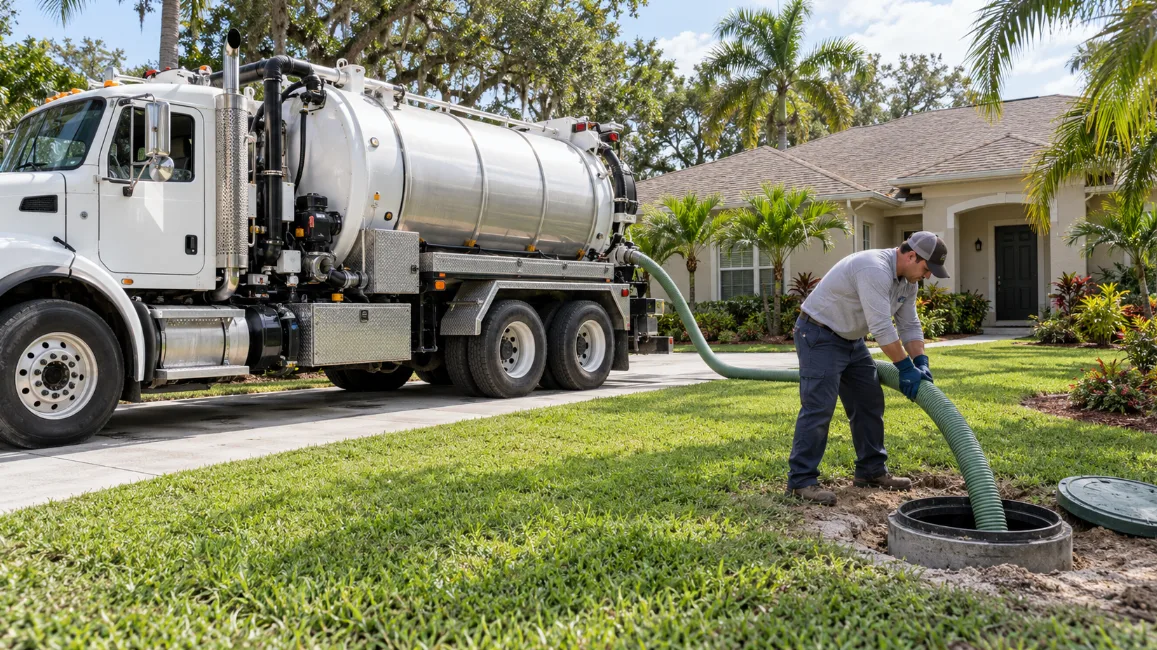
Routine care, a recurring backup or a new system: each starts with a clear scope and the property’s actual needs.
Remove built-up waste and protect the drain field. Tank size, lid access and measured solids determine the scope.
Explore Septic ServiceAddress residue after waste removal. Confirm whether pumping, wash-down and any deeper cleaning are included.
Explore Septic ServiceCheck accessible tank components, records and warning signs before maintenance, a purchase or repair decisions.
Explore Septic ServiceFind out whether a damaged lid, filter, baffle, connection or pump can be repaired before considering replacement.
Explore Septic ServicePlan the tank, treatment and field together. Review bedroom capacity, soil conditions, sewer availability and permits first.
Explore Septic ServiceRequest urgent pumping and describe the backup. Availability is confirmed separately; this form is not a dispatch line.
Explore Septic Service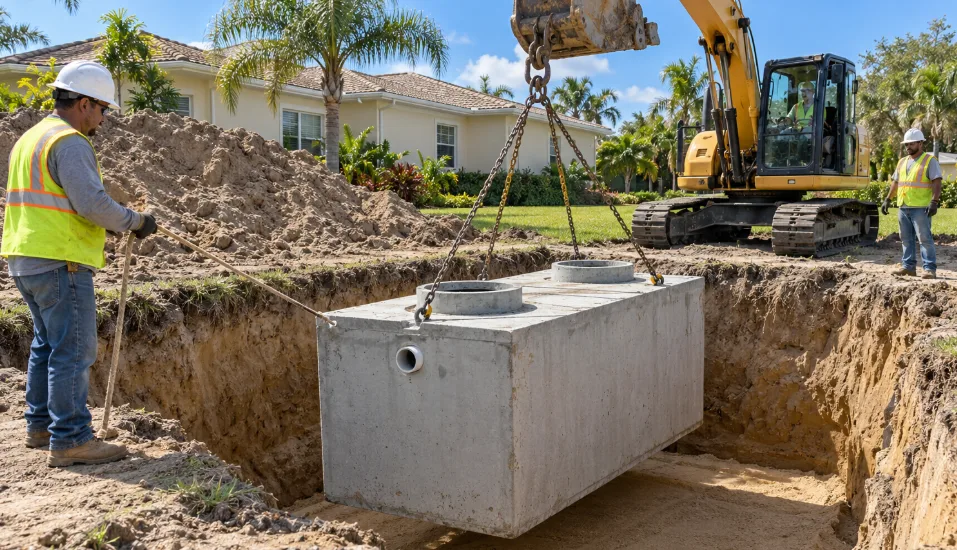
A tank can be sound while the field struggles. Review distribution, soil and groundwater before deciding on repair or replacement.
Separate damaged pipes or distribution components from soil or groundwater problems before choosing a repair.
Explore Drain Field ServiceInvestigate wet spots, odors or recurring backups by checking distribution, records and the usable treatment area.
Explore Drain Field ServicePlan a new treatment area when the existing field cannot be restored. Review the tank, soils, reserve area and permits.
Explore Drain Field ServiceStart with the floor plan, system record, sewer availability and site conditions before choosing a tank or replacement field.

Use the home-size figure for context, not tank sizing. Tennessee bases residential tank minimums on bedrooms: 750 gallons for two or fewer, 900 for three and 1,000 for four. Larger tanks may be specified. Check the actual tank record and the approved bedroom count.
Start with Knox County Groundwater Protection. Gather the parcel details, bedroom count, basement plumbing, water source, site plan and soil map. Obtain the correct permit before work and arrange required inspection before cover-up. The 4–6-day allowance is not an official approval deadline; soils, design and scheduling can take longer.
What looks like a tank failure can start in the drain field, the plumbing or the way the property uses water.
Delayed pumping or damaged baffles let waste reach the field.
Leaks and concentrated laundry loads can overwhelm treatment.
Wipes, grease and chemicals interfere with normal operation.
Rain, groundwater and runoff can leave the field unable to drain.
Broken pipes and compacted soil limit distribution and treatment.
Added bedrooms, failed pumps or aging parts can exceed the approved setup.
Find the size examples, permit steps and care advice that matter for your property. Short explanations come first; the sources are available below.
About 2,000 square feet is useful market context. Realtor.com’s Knoxville metro listing series, published by FRED, reported a 2,046-square-foot median in May 2026. This is a dated median of listed homes, not the average of every Knoxville home or of septic-served properties.
Picture a 3-bedroom, 2-bath home around 2,000 square feet. That is a planning example. Bathrooms and floor area alone do not determine the required tank; bedrooms, use and the approved system design matter. No reliable local average bathroom count or installed septic tank size was established.
Tennessee’s bedroom-based minimums are below. A tank may be larger than the minimum. These are storage gallons, not daily treatment capacity and not a full drain field design.
| Bedrooms | Tank minimum | What to know |
|---|---|---|
| 2 or fewer | 750 gallons | Approved design may specify more |
| 3 | 900 gallons | Not a measured local average |
| 4 | 1,000 gallons | Confirm the actual installed size |
| 5 / 6 | 1,250 / 1,500 gallons | Add 250 gallons for each bedroom above four |
For a 3-bedroom example, the state tank minimum is 900 gallons; an installed tank could be 1,000 gallons or larger. A 5-bedroom example starts at 1,250 gallons. Use the permit record, tank label and approved layout to establish the actual system. Added bedrooms or another dwelling need review.
Heavy and rigid. Needs lifting access and a prepared base. Inspect covers, walls and seams; weight does not eliminate groundwater uplift risk.
A lighter shell with different handling needs. Check shell damage, fittings, backfill and the approved model’s installation requirements.
Lightweight molded plastic. Correct support, burial depth and groundwater provisions help prevent movement or deformation.
Tank shells, drain fields, pumps and controls age differently. Installation, soil conditions, corrosion, loading and maintenance all affect useful life. Choose service from the condition assessment, not a material’s advertised lifespan.
A conventional system separates waste in a tank and treats the outgoing water in suitable soil. Alternative systems can add pumps or treatment equipment where the approved design requires them. A large tank does not make unsuitable soil safe.
Compare ongoing power, maintenance and monitoring as well as the installed price. The county’s evaluation decides what is appropriate for the property.
As checked October 28, 2026: lot evaluation $40; installation permit/drain field layout $200; repair permit no county fee; Verification/Septic Letter $200; existing-system certification $100. These are separate county services, not a package total. Confirm current fees and which services apply. Soil mapping, engineering and contractor work cost extra.
The template’s 4–6-business-day figure is an initial planning allowance after a complete application, not a Knox County approval promise. Site evaluation, soil mapping, design, revisions and inspection scheduling can extend the timeline. Confirm the queue directly with the county.
County services and requirements · County permit office: (865) 215-5200, extension 1. This is the government office, not our service number.
Usable soil depth, slope, restrictive layers and wet areas can vary across a lot. A soil map and site evaluation determine suitability; acreage alone cannot establish room for a field and future replacement area.
Prolonged rain can saturate the treatment area. Keep roof runoff away, report problems that follow storms and reduce water use during flooding. Do not arrange blind pumping in saturated ground: an empty tank can shift or float.
A Knoxville mailing address does not establish city jurisdiction. Check the parcel and utility service. The city’s published guidance requires written City Engineering and county permission for onsite installation and restricts new septic where municipal sewer is available. Ask about the current property-specific requirements before spending on a replacement design.
Check the field and reserve area before adding a pool, driveway, garage or bedroom. Avoid traffic, paving and grading over the treatment area.
Practical answers for Knoxville homes and businesses.
County guidance is every 3–5 years with ordinary use, or 2–3 years with a garbage disposal. Actual solids, occupancy and capacity can change the schedule.
No reliable local installed-tank average was found. A 1,000-gallon tank is a useful example, while Tennessee minimums are 750 gallons for up to 2 bedrooms, 900 for 3 and 1,000 for 4. Check your permit record.
Knox County Health Department Groundwater Protection handles local septic permits. Inside city limits, check City Engineering requirements and sewer availability too.
Yes. Knox County says repairs, alterations and new septic construction need approval before work starts. Its listed repair permit has no county fee; contractor costs are separate.
No. Pumping removes tank waste. Broken distribution, unsuitable soil or groundwater problems need their own assessment.
Check the approved bedroom count and field layout first. Additions, pools and structures may require county certification, modification review or another permit.
No. Knox County’s Verification/Septic Letter is a separate county service. Ask the buyer or lender which documentation is needed.
Allow 4–6 business days for initial planning after a complete application, then confirm the current county queue. This is not an official approval deadline; soil mapping, design, revisions and inspections can take longer.
Tell us where you are, what is happening and the service you need.